PPC Marketing has become one of the most powerful digital advertising strategies for businesses in 2026. Modern PPC Marketing allows companies to generate traffic, leads, and sales quickly without waiting months for SEO rankings. Businesses across industries now rely heavily on PPC Marketing to improve online visibility and compete in crowded digital markets.
Digital advertising often feels like choosing between two superstar athletes. One dominates with precision and timing, while the other wins with creativity and influence. That is exactly the comparison businesses make when discussing Google Ads and Facebook advertising. Both platforms dominate the world of PPC Marketing, but they work in completely different ways.
What Is PPC Marketing?
PPC Marketing, also known as Pay-Per-Click advertising, is a digital advertising model where businesses pay only when users click on their ads. One of the biggest advantages of PPC Marketing is speed. Instead of waiting for long-term organic growth, businesses using PPC Marketing can instantly appear in front of targeted audiences.
Behind every successful PPC Marketing campaign lies a combination of:
- Audience targeting
- Keyword research
- Ad copywriting
- Bid management
- Creative design
- Conversion optimization
- Campaign analytics
Think of PPC Marketing like renting premium space on the busiest digital highway in the world. Your ads appear exactly where customers are already searching or browsing. This makes PPC Marketing highly effective for generating fast business results.
Why Businesses Invest in PPC Marketing
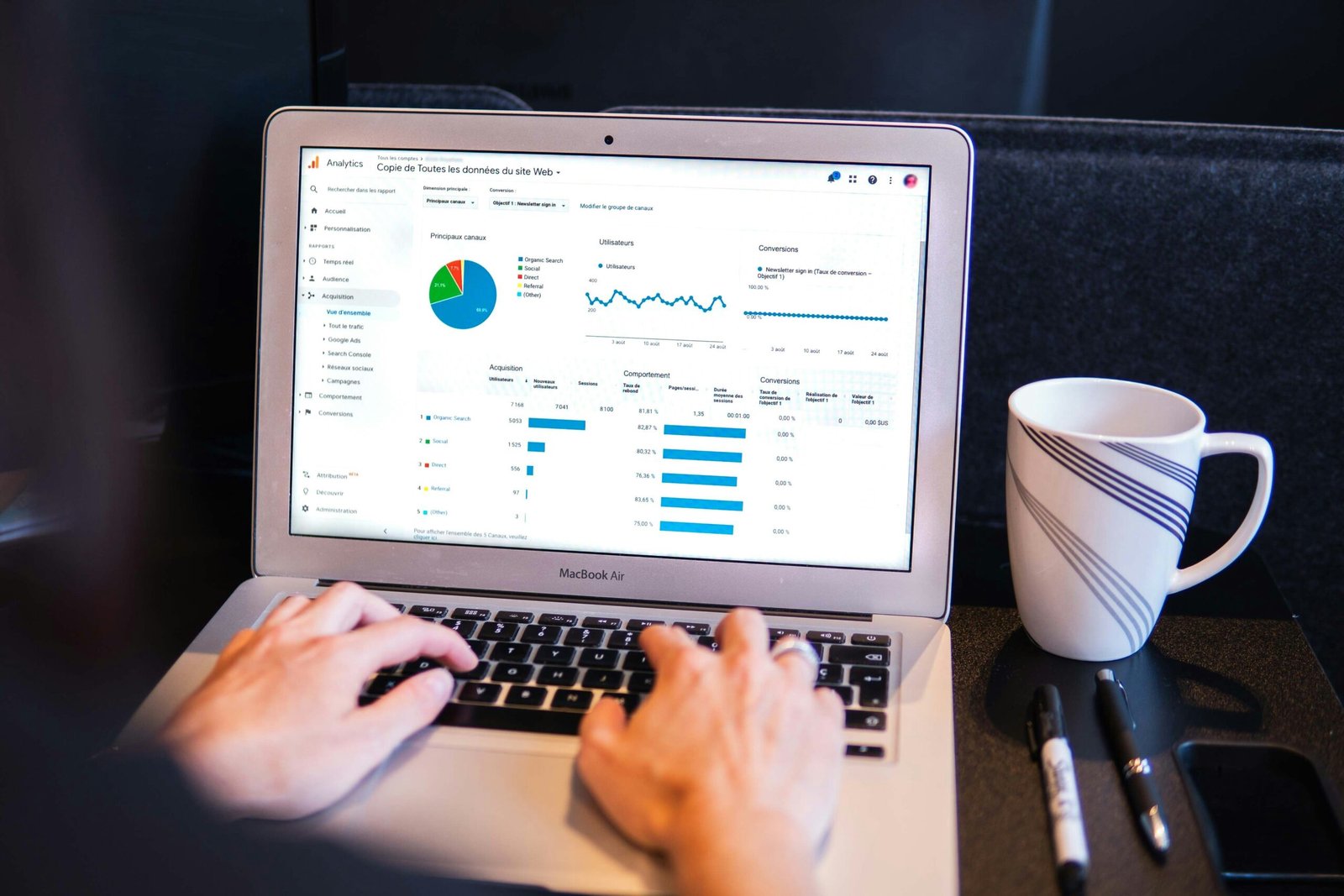
One major reason businesses prefer PPC Marketing is measurable performance. Companies can track clicks, impressions, leads, conversions, and return on investment in real time. This data-driven approach helps businesses improve their PPC Marketing campaigns continuously.
Modern businesses increase their PPC Marketing budgets every year because customer attention spans are shrinking. Organic reach alone is often not enough to compete online. Effective PPC Marketing strategies help brands gain immediate visibility and attract potential customers faster.
Platforms like Google Ads and Facebook dominate the PPC Marketing industry, but both platforms target audiences differently.
- Google Ads focuses on users actively searching for products or services
- Facebook targets users based on interests, demographics, and online behavior
This difference makes PPC Marketing extremely versatile for businesses trying to increase traffic, sales, and customer engagement.
The Future of PPC Marketing
AI and automation are transforming PPC Marketing rapidly in 2026. Businesses now use AI-powered bidding strategies, audience insights, predictive analytics, and automated ad optimization to improve campaign performance. Modern PPC Marketing campaigns are becoming smarter, more personalized, and more efficient.
Businesses investing in strong PPC Marketing strategies can scale faster, test campaigns quickly, and improve digital growth without depending only on organic traffic. In today’s competitive online marketplace, PPC Marketing remains one of the fastest and most effective ways to reach targeted audiences and increase conversions.
Why PPC Matters for Businesses in 2026
Digital marketing in 2026 is more competitive than ever. AI-driven advertising, smarter targeting, and increased online shopping have completely changed how businesses attract customers. Recent reports show digital advertising revenue globally has crossed the trillion-dollar mark, with Google and Meta leading the industry. (Swydo)
The biggest reason PPC matters today is speed. Imagine launching a new product and waiting six months for organic traffic. Most businesses simply cannot survive that delay. PPC lets brands place products directly in front of potential buyers instantly. It creates immediate opportunities for leads and conversions.
Another major advantage is targeting precision. Businesses no longer need to advertise blindly like traditional TV or newspaper ads. PPC platforms allow advertisers to target by location, device, interests, search terms, age, gender, buying behavior, and more. That precision helps companies spend smarter rather than bigger.
There is also the growing influence of mobile usage. Billions of users spend hours daily on Google, Facebook, Instagram, and YouTube. Businesses that ignore PPC risk becoming invisible in a crowded online marketplace. Whether someone searches “best running shoes” on Google or discovers a product while scrolling Instagram, paid ads influence buying decisions at every stage of the customer journey.
What Are Google Ads?
How Google Ads Work
Google Ads is Google’s online advertising platform that allows businesses to appear in search results, websites, YouTube videos, shopping feeds, and mobile apps. The most powerful feature of Google Ads is intent. People using Google are actively searching for information, services, or products. That means advertisers can target users who already have buying intent.
Imagine someone searching for “best laptop under $1000.” That person already wants a laptop. Businesses using Google Ads can place their products directly in front of that user at the perfect moment. This is why Google Ads often generate high-quality traffic and strong conversion rates.
The system works using keywords and bidding. Advertisers choose keywords relevant to their products and compete in auctions to display ads. Google then decides which ads appear based on bid amount, ad quality, and relevance. This combination helps users see useful ads instead of random promotions.
One reason marketers love Google Ads is flexibility. Businesses can run campaigns for ecommerce sales, local store visits, phone calls, lead generation, app downloads, and even YouTube video views. Google’s AI-powered automation tools have also improved dramatically in 2026, making campaign optimization smarter and faster. (Stackmatix)
Main Types of Google Ads Campaigns
Google Ads is much larger than simple search ads. Businesses can choose from multiple campaign types depending on their objectives.
| Campaign Type | Purpose |
| Search Ads | Appear in Google search results |
| Display Ads | Banner ads on websites |
| Shopping Ads | Product listings for ecommerce |
| Video Ads | YouTube advertising |
| App Campaigns | Promote mobile apps |
| Performance Max | AI-driven multi-channel campaigns |
Search ads remain the most popular because they capture high-intent traffic. Shopping ads are extremely effective for ecommerce brands because they display product images, prices, and reviews directly in search results.
YouTube advertising has also exploded in popularity. Businesses now use video campaigns to educate audiences and increase brand trust. AI-based Performance Max campaigns combine multiple Google channels into one automated campaign, simplifying campaign management for advertisers.
Google Ads works best when people already know what they want. That intent-driven behavior is what makes it powerful for lead generation and direct sales.
What Are Facebook Ads?
How Facebook Ads Work
Facebook Ads, now managed under Meta Ads, operate differently from Google Ads. Instead of targeting users based on search queries, Facebook targets users based on interests, demographics, online activity, and behavior patterns. This means businesses can reach audiences before they actively search for products.
Picture someone casually scrolling through Facebook or Instagram after dinner. Suddenly, they see an ad for stylish sneakers, fitness equipment, or digital marketing courses. They were not searching for those products, but the ad grabs attention. That is the magic of Facebook advertising. It creates demand instead of simply capturing it.
Facebook’s targeting system is one of the most advanced in digital marketing. Advertisers can target users based on age, gender, location, hobbies, relationship status, job titles, shopping behavior, and even life events. This detailed targeting helps businesses reach highly specific audiences.
Another major strength of Facebook Ads is storytelling. Social media platforms are visual by nature, making them ideal for creative campaigns. Brands can use videos, reels, carousel ads, and interactive formats to emotionally connect with audiences.
Recent industry statistics show Facebook Ads still maintain lower average CPC compared to Google Search Ads. Some reports estimate Facebook CPC averages around $0.64 while Google Search averages over $2.00 depending on the industry. (Searchlab)
Popular Facebook and Instagram Ad Formats
Facebook Ads support a wide range of creative formats that help brands engage users naturally while they browse social media.
| Ad Format | Best Use |
| Image Ads | Simple promotions |
| Video Ads | Storytelling and engagement |
| Carousel Ads | Showcase multiple products |
| Reels Ads | Short-form mobile engagement |
| Lead Ads | Collect customer information |
| Stories Ads | Full-screen mobile ads |
Instagram integration makes Facebook Ads even more powerful. Businesses can advertise across Facebook, Instagram, Messenger, and Audience Network simultaneously from one dashboard.
Visual brands perform especially well here. Fashion, fitness, beauty, travel, and food businesses often thrive because users respond strongly to engaging visuals. Creative quality matters heavily on Facebook. Weak visuals usually fail quickly, even with good targeting.
Google Ads vs Facebook Ads – Core Differences
Search Intent vs Interest Targeting
The biggest difference between Google Ads and Facebook Ads is intent versus discovery. Google captures people searching for solutions. Facebook introduces products to users based on interests and behavior.
This distinction completely changes campaign performance. Google users often have immediate buying intent. Facebook users may simply be browsing casually. That means Google traffic usually converts faster, while Facebook excels at awareness and nurturing audiences.
Experts often summarize this difference as:
- Google Ads = Demand Capture
- Facebook Ads = Demand Creation
Businesses selling emergency services like plumbers, lawyers, or repair services usually benefit more from Google Ads because customers actively search for solutions. Meanwhile, fashion brands or lifestyle products often succeed with Facebook because visuals inspire impulse purchases.
Audience Behavior Comparison
Google users behave differently from social media users. Someone on Google is goal-oriented. They want answers quickly. Someone on Facebook or Instagram is consuming content for entertainment, connection, or curiosity.
That difference impacts ad messaging. Google Ads usually focus on solutions, pricing, and urgency. Facebook Ads focus on emotions, storytelling, and visual engagement.
A Reddit PPC discussion described it perfectly: “Google captures people ready to buy, while Facebook creates interest before people even realize they need the product.” (Reddit)
Advantages of Google Ads
High-Intent Traffic
Google Ads shine because users are already searching for something specific. This high-intent traffic often converts faster than social traffic. Businesses selling urgent services benefit enormously from this.
Imagine searching “best dentist near me.” You are likely ready to book an appointment. Google Ads allow dentists to appear immediately in front of that motivated customer.
Faster Conversion Potential
Google Ads often produce quicker results because users already know what they want. That makes the platform ideal for businesses focused on immediate leads and sales.
Industries like SaaS, legal services, ecommerce, and home repair frequently prioritize Google because purchase intent is stronger. Many marketers report faster ROI compared to social advertising campaigns. (Reddit)
Advantages of Facebook Ads
Better Brand Awareness
Facebook Ads excel at building awareness and introducing brands to new audiences. The visual nature of social media creates emotional engagement that search ads cannot easily replicate.
Brands can tell stories through videos, reels, and images. This storytelling helps businesses build recognition and trust over time. Users may not buy immediately, but repeated exposure increases future conversions.
Advanced Audience Targeting
Facebook’s targeting tools are incredibly detailed. Businesses can reach users based on hobbies, shopping interests, travel behavior, and countless other signals.
This precision makes Facebook highly effective for niche businesses. Advertisers can create lookalike audiences, retarget website visitors, and nurture cold audiences through multiple stages of the sales funnel.
Which Platform Is Better for Different Businesses?
Ecommerce Businesses
Ecommerce brands often benefit from using both platforms together. Google Shopping Ads capture buyers searching for products, while Facebook Ads build awareness and retarget abandoned carts.
Fashion and lifestyle brands especially perform well on Instagram and Facebook because visuals drive emotional buying decisions.
Local Businesses
Local businesses like dentists, gyms, restaurants, and repair services usually see strong performance from Google Search Ads because users actively search nearby services.
B2B Companies
B2B companies often prefer Google Ads because professionals search directly for business solutions. Facebook can still support lead nurturing campaigns and remarketing.
Combining Google Ads and Facebook Ads
The smartest businesses rarely choose only one platform. Instead, they combine both strategically.
A common strategy looks like this:
- Use Facebook Ads for awareness.
- Retarget engaged users on Facebook and Instagram.
- Capture high-intent buyers through Google Search Ads.
- Use remarketing campaigns across both platforms.
Studies show businesses using both platforms together often achieve higher ROAS compared to relying on a single advertising channel. (Searchlab)
Common Mistakes Businesses Make
Many advertisers fail because they misunderstand platform behavior. Running hard-sales Facebook campaigns to cold audiences usually wastes money. Similarly, targeting broad keywords on Google without optimization can drain budgets quickly.
Some of the biggest mistakes include:
- Ignoring audience research
- Weak ad creatives
- Poor landing pages
- No conversion tracking
- Using the wrong platform for business goals
- Not testing campaigns consistently
Successful PPC advertising requires constant testing, optimization, and data analysis. There is no magical one-size-fits-all formula.
Final Verdict
So, which is better: Google Ads or Facebook Ads?
The real answer depends on your goals.
Choose Google Ads if you want:
- High-intent traffic
- Faster conversions
- Search-driven leads
- Direct sales
Choose Facebook Ads if you want:
- Brand awareness
- Visual storytelling
- Audience targeting
- Lower-cost traffic
Businesses focused on long-term growth usually combine both platforms for maximum impact. Google captures demand, while Facebook creates it. Together, they form a powerful digital marketing engine capable of driving awareness, leads, and sales at every stage of the customer journey.
FAQs
1. Are Google Ads better than Facebook Ads?
Neither platform is universally better. Google Ads work best for high-intent searches, while Facebook Ads are excellent for awareness and audience targeting.
2. Which platform is cheaper for PPC marketing?
Facebook Ads generally have lower CPC costs compared to Google Ads. However, Google traffic often converts faster because of stronger buying intent.
3. Can small businesses use both Google and Facebook Ads?
Yes. Many small businesses combine both platforms to build awareness and capture leads effectively.
4. Which platform works best for ecommerce?
Ecommerce brands usually benefit from using both. Google Shopping Ads drive purchases, while Facebook Ads improve brand awareness and retargeting.
5. Is PPC marketing still worth it in 2026?
Absolutely. PPC remains one of the fastest and most measurable ways to generate online traffic, leads, and sales.